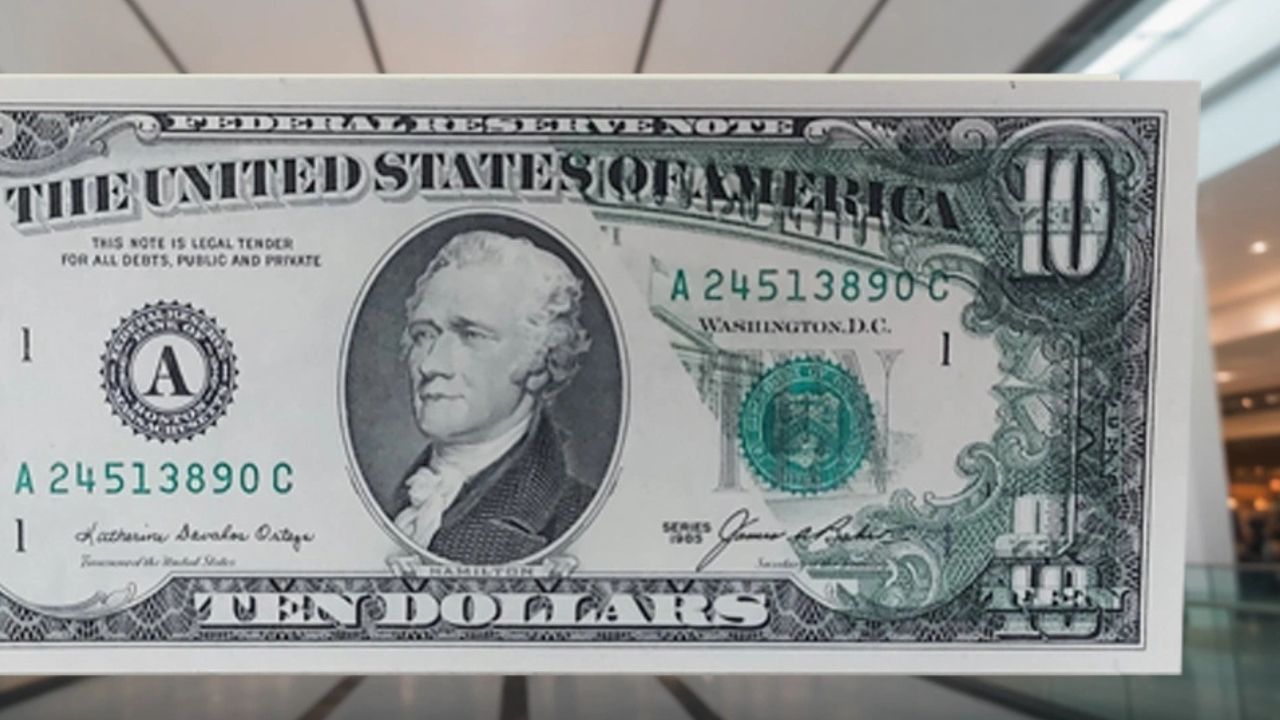
If you’ve recently received a $10 bill as change or found one tucked away in a drawer, it’s time to take a second look. A rare 2013 $10 bill with a printing error has become a hot item among collectors — and some versions have sold for more than $50,000.
This isn’t just numismatic hype. These error notes have been found in everyday circulation, making them a real opportunity for anyone holding onto older bills.
Why the 2013 $10 Bill Is Causing a Stir

While the 2013 series $10 bill itself is not rare, a specific batch that contains printing errors has drawn intense interest from currency experts and collectors. The errors include:
- Ink smears or “ink bleed”
- Misaligned serial numbers
- Color shifts or ink overlays
These mistakes occurred during the high-speed printing process and escaped quality checks. The result? A tiny flaw that can turn an ordinary $10 bill into a high-value collectible.
How Printing Errors Become Valuable
Currency errors come in many forms, but few are as visually striking as ink-related misprints. The rarity and type of error, combined with the bill’s condition, determine its market value. Some 2013 $10 error bills in uncirculated condition have fetched over $50,000 at auction.
Even bills that show signs of circulation can sell for thousands, depending on the severity and visibility of the printing flaw. Rarity and demand are the two biggest factors collectors consider when setting a price.
What to Look for on Your 2013 $10 Bill
Wondering if your $10 note could be worth a fortune? Here’s how to inspect it:
1. Series Year
The note must say “Series 2013” — check just below the portrait of Alexander Hamilton.
2. Ink Bleed or Smears

Look closely at the areas around the portrait, serial numbers, and security features. Unusual ink marks or smudges could indicate a valuable misprint.
3. Misaligned Serial Numbers
The serial numbers should be evenly placed and printed clearly. Any major shift or off-center printing could point to a rare error.
4. Color Shifts or Overprinting
If the ink appears to have bled into other sections or overlaps in strange ways, it might be a printing flaw from the original press run — not damage from wear.
Make sure any irregularity is a result of original printing and not post-circulation damage like water, folds, or ink stains.
Is a Misprinted $10 Bill Still Legal Tender?
Yes. Even with visible printing errors, these bills remain legal tender in the United States. You can spend them like any other note — but you probably shouldn’t.
Spending a rare error note means missing out on a potential five-figure payday. If you suspect you have a misprinted $10 bill, consider getting it professionally evaluated before using it.
Where to Sell a Rare $10 Error Bill
If your $10 bill seems to feature a genuine printing error, here are the best places to have it appraised or sold:
- Heritage Auctions – A trusted name in rare currency sales
- Stack’s Bowers Galleries
- eBay – Popular for collector currency, but research past listings
- Facebook numismatic groups – Good for community input and trading
- Currency shows and local dealers with ANA accreditation
To get the best value, have your note authenticated by a respected grading service like PMG (Paper Money Guaranty) or PCGS Currency. A certified error note commands much higher prices and buyer trust.
Final Thoughts
The idea that a 2013 $10 bill with an ink error could be worth tens of thousands isn’t just collector fantasy — it’s fact. As demand for rare paper currency grows, notes like these are becoming modern-day treasures hiding in plain sight.
So next time you’re handed a ten-dollar bill, don’t rush to spend it. Give it a second look. That slightly off Hamilton in your wallet might just be your unexpected jackpot.
FAQs
Q: Can I still spend a misprinted $10 bill at a store?
A: Yes, it’s still legal tender. However, spending it means losing potential collector value.
Q: How can I tell if my $10 bill has a real error?
A: Compare it with a normal 2013 $10 bill or have it evaluated by a currency expert or grading service.
Q: What’s the best way to store a rare or valuable bill?
A: Use acid-free currency sleeves and store them in a cool, dry, and dark place to preserve condition.
Q: Are all error bills from 2013 valuable?
A: Not all. Only bills with confirmed printing errors, especially in mint condition, carry high market value.
Q: How many of these error $10 bills exist?
A: The exact number is unknown. That scarcity is a big reason they’re so valuable to collectors.