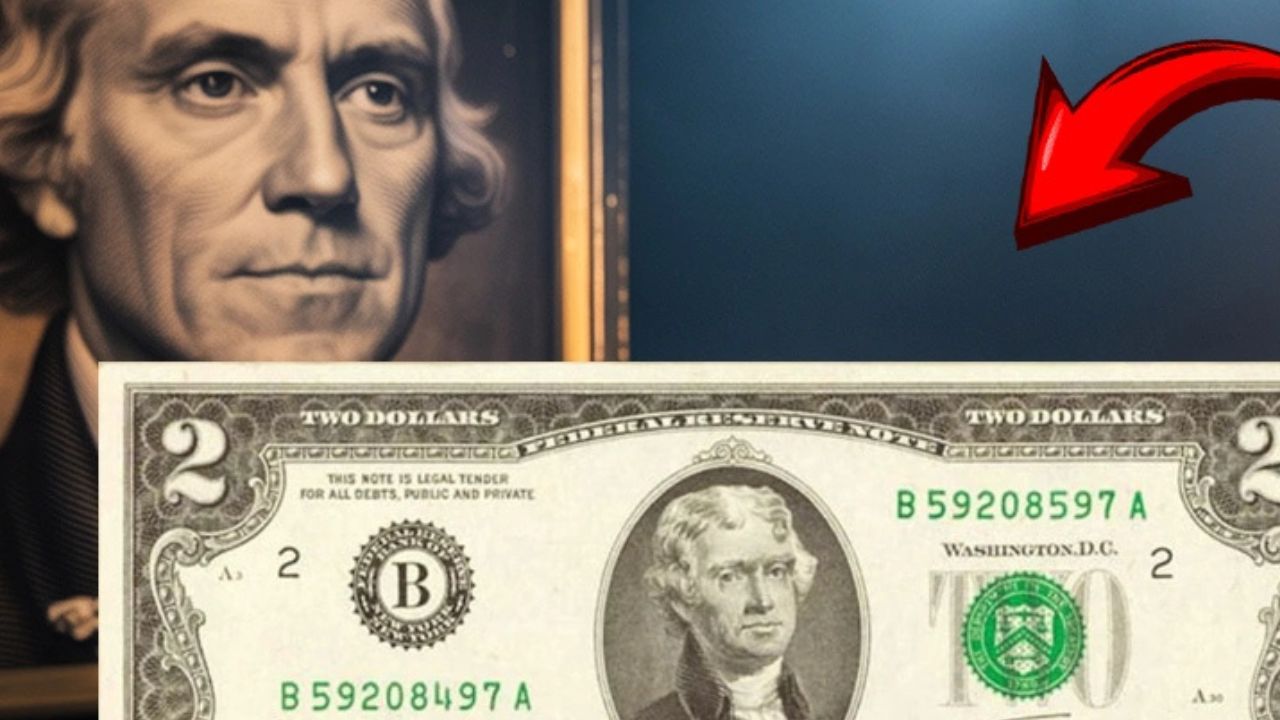
Believe it or not, one of the most valuable bills in your wallet could be a humble $2 note. A rare 1976 $2 Bicentennial bill featuring a double print error has recently captured collector interest — and for good reason. Some versions of this flawed bill have sold for as much as $55,000 at auction.
Let’s break down what makes this bill so special and how you can tell if you have one hiding in your collection or cash drawer.
Why the 1976 $2 Bill Is Unique
The 1976 $2 bill was issued to commemorate the Bicentennial of the United States, marking 200 years since the signing of the Declaration of Independence. It was the first time the $2 denomination had been reissued in over a decade, and the bill’s reverse was redesigned with an image of the signing of the Declaration — replacing the traditional Monticello artwork.
Although it was printed in large numbers, public reaction was mixed. Many people saved the bills as keepsakes. Today, most are still only worth their face value — unless they contain a rare printing error.
What Is the Double Print Error?
A double print error is a mistake made during the printing process when elements like the serial number, treasury seal, or district seal are printed more than once. This results in a duplicated or shadowed image that is highly visible and extremely rare.
In the case of the 1976 $2 bill, double print errors often include:
- Overlapping or duplicated serial numbers
- Two green treasury seals
- Misaligned secondary impressions or shadows
These flawed notes slipped past quality checks and found their way into circulation — making them extremely valuable to collectors.
How to Identify a Double Print on a 1976 $2 Bill
If you have a 1976 $2 bill, here’s how to check for the error:
1. Look for Duplicate Prints
Hold the bill up to good lighting and closely examine the serial numbers and treasury seal. If you see a shadow, overlap, or duplicate — even slightly off-center — you might be holding a rare note.
2. Check for Misalignments
Some double print errors present as a faint second image printed slightly out of line. This is most obvious on the serial number or seal.
3. Confirm the Series
Make sure the bill says “Series 1976”. This should appear near Thomas Jefferson’s portrait.
How Much Is It Worth?
The value of a 1976 $2 double print error depends on visibility of the error and overall condition of the note. Crisp, uncirculated examples with obvious printing mistakes fetch the highest prices.
| Condition | Estimated Value |
|---|---|
| Circulated (Fine) | $500 – $2,000 |
| Lightly Circulated | $2,500 – $10,000 |
| Crisp Uncirculated | $15,000 – $55,000+ |
One verified example with a bold double print reportedly sold for over $55,000, sparking excitement in currency collecting circles.
What to Do If You Think You Have One
If your bill shows signs of a double print, don’t spend it. Here’s what you should do:
- Do not fold or damage the bill. Its condition greatly impacts value.
- Get it authenticated by a professional grading service like PMG (Paper Money Guaranty) or PCGS Currency.
- Photograph it clearly in high resolution for documentation.
- Consult a currency expert or auction house for a value estimate and potential sale.
Why These Bills Are Still Being Found
Despite their rarity, some of these error notes are still out there. Many went unnoticed for decades, tucked away in drawers or collections by people who didn’t recognize the error. Because they were issued in such large quantities, it’s possible a few flawed bills slipped through unnoticed.
Final Thoughts: Check Your $2 Bills
The 1976 $2 Bicentennial double print error is more than a printing mistake — it’s a piece of history with the potential to be worth thousands. While most $2 bills from 1976 are worth face value, a small number with dramatic printing flaws are turning heads in the numismatic world.
So before you spend your next $2 bill, take a second look. It could be one of the rarest printing errors in U.S. currency history — and potentially worth up to $55,000.